



- Boarding School Experience
Is a boarding school the right decision for busy working and travelling parents?
 July 08, 2026

 Dr Craig Cook
 September 02, 2026
 7 min read
Help others discover this content
Key Takeaways
Choosing the right school for your child involves more than comparing academic results or curriculum options. The environment in which a child learns, builds relationships and develops independence can shape their experience of school just as significantly.
For many families, one of the most important decisions is whether a day school or boarding school is the better fit. Both offer strong opportunities for learning and personal growth, but they create very different daily experiences. A day school keeps the family home at the centre of a child's routine, while boarding school education extends learning and community life beyond the classroom. Understanding these differences can help parents make a more informed choice based on their child's personality, needs and long-term goals.
A day school is the familiar model in which students attend school during the day and return home afterwards. Academic learning takes place within structured school hours, while evenings, weekends and much of a child's life outside school remain centred around home.
One of the key day school advantages is daily family connection. Parents remain closely involved in routines, homework, meals, friendships and the wider development of their child. For children who benefit from being surrounded by family every day, this can provide a strong sense of continuity and emotional security.
Day school education can also offer flexibility. Children return home each day, allowing families to maintain established routines and remain closely connected to their local community. At the same time, the school day places natural limits on how much time students can spend on activities beyond the classroom. Sports, music, leadership, service and other extracurricular activities may need to fit around transport, family commitments and the school timetable.

A boarding school is a residential learning environment where students live on campus for part or all of the school week, depending on the type of boarding they opt for.
The defining feature of boarding school education is not simply that students live away from home. It is that learning, relationships, activities and everyday routines become part of a single connected environment. A well-structured boarding school experience gives students opportunities to manage their time, take responsibility for their belongings and routines, collaborate with peers and make decisions with appropriate guidance.
The experience is structured, but structure does not mean restriction. At a well-run residential school, routines create the conditions in which student independence, confidence and responsibility can develop.
The difference between a residential school and a day school is best understood through everyday experience.
|
Factors |
Day School |
Boarding School |
|
Living arrangement |
Students return home each day |
Students experience campus life according to their boarding arrangement |
|
Family connection |
Daily and direct |
Regular and planned |
|
Daily routine |
Shared between school and home |
Structured across the school day and residential life |
|
Independence |
Develops gradually through home and school |
Developed through everyday residential experiences |
|
Peer learning |
Primarily during school hours |
Continues through academic and residential life |
|
Activities |
Usually centred around the school day |
Can be integrated more extensively into the weekly routine |
|
Pastoral support |
Primarily during school hours |
Extends into residential life |
|
Family flexibility |
High daily involvement |
Greater residential flexibility for some families |
Neither model is automatically the better choice for every child. The bigger question is which environment can support your child most effectively.
One of the strongest boarding school benefits is the opportunity to develop independence through everyday experience. Students learn to organise their time, look after their belongings, participate in shared responsibilities and navigate relationships with their peers. These experiences can contribute to student development, self-discipline, character and personal growth in ways that complement academic learning.
1. Building independence and responsibility

Residential education gives students more ownership of their daily lives. With appropriate guidance from teachers and residential staff, they learn to make choices, solve everyday problems and take responsibility for their routines. Over time, this can help build self-reliance, confidence and leadership skills.
2. A broader learning experience
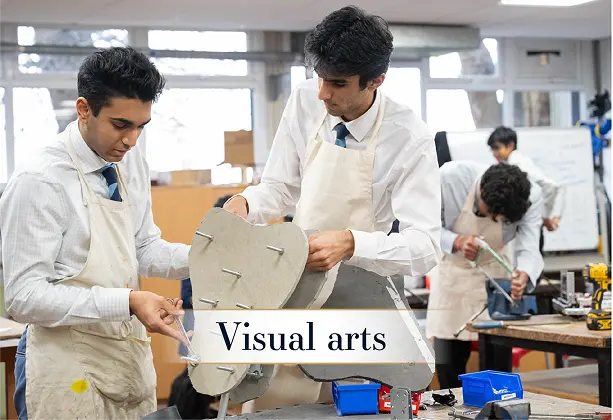
A residential setting can provide broader learning opportunities beyond lessons. Sport, music, drama, debate, technology, community service and other extracurricular activities can become an integral part of school life. This supports holistic education, where academic excellence sits alongside creativity, collaboration, physical development and personal growth.
3. Stronger peer learning and social development
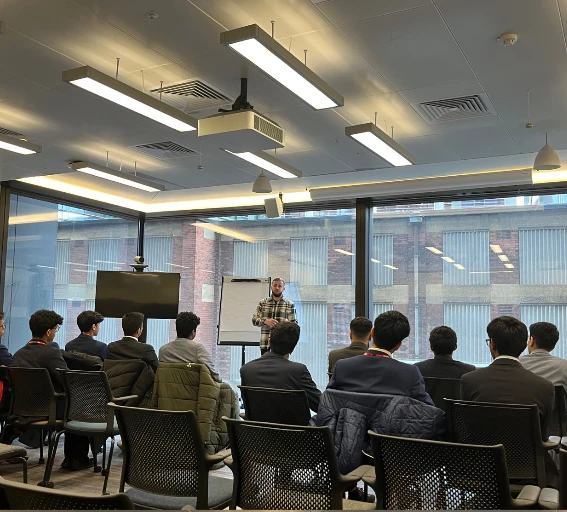
Living alongside peers creates a different kind of community. Students learn to collaborate, resolve disagreements, respect different perspectives and contribute to shared spaces. This everyday interaction can support peer learning, social development and emotional maturity.
4. Developing time management
Residential life gives students regular opportunities to balance different responsibilities: academic work, activities, meals, rest and social time all need to fit within a structured routine. Learning to manage these competing priorities can strengthen time management, organisation and self-discipline.
5. Confidence and leadership

A residential community gives students many opportunities to contribute. From house activities and sport to service and leadership, students can take responsibility and learn from experience. These opportunities can help develop student confidence, communication skills and the ability to work with others.
The approach to boarding at Queen Elizabeth's School, Gurugram reflects this broader understanding of residential education, with boarding built around structure, community, pastoral support and balanced development.
A day school experience comes with its own strengths. For many families, parent involvement is central to their child's education. Returning home each day allows parents to be closely involved in homework, routines, friendships and emotional wellbeing.
Day schools can also be particularly suitable for children who thrive on the familiarity of a home-centred routine. For families who place a high value on daily connection, a strong day school can provide an excellent learning environment.
A child's emotional readiness should be an important part of any school decision. Boarding can create opportunities for confidence, independence and social development, but moving into residential education is also a significant transition. Children may need time to become comfortable with a new routine and life away from home.
This is why emotional wellbeing and pastoral care matter when comparing boarding schools. Parents should look beyond facilities and academic results and ask how the school supports students, maintains family communication and helps children settle into residential life.
At Queen Elizabeth's School, Gurugram, boarding students are part of a QE House, creating a sense of belonging and providing pastoral support regardless of the boarding option they choose.
Residential education is not necessarily a single model. Families should understand the different types of residential schools and boarding arrangements available.
At Queen Elizabeth's School, Gurugram, families can choose between:
This flexibility means that choosing a boarding school does not have to mean choosing the same residential experience for every child.

There is no universal answer to the question, 'Which is the best school option for my child?' Instead, parents should consider several factors.
You may also find this useful
The answer depends on the child. A day school can be the right choice for a child who benefits from daily family involvement, a familiar home routine and a clear separation between school and home. A boarding school can be the right choice for a child who is ready for greater independence and would benefit from a structured community where academics, activities, relationships and personal development are part of a connected experience.
Ultimately, the goal is not to choose between two labels, but to find the learning experience and school environment in which your child is most likely to flourish.
At Queen Elizabeth's School, Gurugram, boarding is designed around that principle. With day boarding, weekly boarding and full boarding, families can consider the level of residential education that best suits their circumstances and their child's stage of development. The focus remains on providing a balanced education in which academic learning, co-curricular opportunities, wellbeing, independence and belonging work together.
A school selection guide should therefore not simply rank the best days schools against the best boarding schools. It should help parents understand their child, understand the school and identify an environment where they can develop the confidence, character and skills to thrive.
Key Takeaways
Help others discover this content
Neither is universally better. The right choice depends on your child's personality, emotional readiness, learning style and your family's circumstances. Day schools offer family connection and high parental involvement, while boarding schools provide a more immersive environment that can support independence, peer learning and personal growth. The aim should be to find the best learning environment for your child, rather than choosing one format by default.
The main considerations include being away from home, reduced day-to-day family interaction and the adjustment involved in residential life. Some children may experience homesickness initially, making pastoral care and homesickness management important. Boarding also involves a greater financial commitment than many day schools. Parents should therefore consider whether their child is ready for residential education and whether the school provides a supportive, safe boarding environment.
Boarding can be a positive experience for children who are comfortable with structure, ready to develop greater independence and interested in becoming part of a residential community. The benefits of boarding school for students can include student independence, confidence, time management, leadership skills, peer learning and personal growth. However, boarding is not the right fit for every child, so families should consider emotional readiness and the quality of pastoral support before making a decision.
The benefits of boarding school for students extend beyond academics. Residential education can encourage independence, responsibility, time management, confidence and social development. Students also have opportunities to participate in sports, music, arts, service and other extracurricular activities as part of their wider school experience. These are important residential school benefits that can contribute to holistic development.
Some of the key day school advantages include family connection, high parental involvement and the continuity of a familiar environment. Children return home every evening, allowing parents to be closely involved in routines, homework, friendships and emotional wellbeing. Day school education can be particularly suitable for children who benefit from regular family interaction or who are not yet ready for residential life.
Choosing a school for your child should involve looking beyond academic results and reputation. Consider your child's personality, learning style, emotional readiness and need for independence, alongside curriculum, pastoral care, extracurricular activities, facilities and the overall school environment. Parents should ultimately focus on finding the environment in which the individual child is most likely to flourish.
The best school for holistic development is one that recognises that education extends beyond academic achievement. Parents should look for a school that combines academic excellence with opportunities in sport, creativity, leadership, service, collaboration and personal development. The quality of pastoral care and the wider learning experience are equally important when considering how a school supports the whole child.
Boarding can offer greater consistency when family schedules make daily routines difficult to maintain. It does not replace parental involvement, but it can provide continuity when parents have demanding or frequently changing schedules. Learn more in our guide: Is a boarding school the right decision for busy working and travelling parents?
Parents should look for appropriate residential supervision, pastoral support, clear routines and effective communication with families. Parents should ask how the school supports students emotionally, how residential staff are structured, and how concerns are addressed. Learn more in our guid: Student Life in an Indian Boarding School: Daily Routine and Beyond
By giving students appropriate responsibility for their routines, belongings, time and relationships, so they learn to make decisions and manage competing commitments with support from teachers and residential staff.
A well-run boarding school balances academic learning with sport, activities, meals, social interaction and rest. At Queen Elizabeth's School, Gurugram, the residential approach is built around structure, community and balanced development rather than simply filling every hour of the day.
Living and learning alongside peers can encourage strong bonds through shared activities, meals, house events and everyday residential life. At Queen Elizabeth's School, Gurugram, every boarding student belongs to a QE House, providing a sense of belonging and pastoral support.
Boarding can provide continuity and a stable school community when family circumstances involve relocation or frequent travel. Families should consider whether a school's curriculum, pastoral care and residential arrangements can support a child already accustomed to adapting to different environments.
Parents should consider academic provision, pastoral care, extracurricular opportunities, residential arrangements and future pathways. The most appropriate option depends on the child's educational goals and the overall school environment, rather than the curriculum label alone.
Discover more insights and stories from Queen Elizabeth's School
 university & career readiness
Education in India is changing. While academic excellence continues to matter, parents today are increasingly looking beyond examination results, seeking an education that equips their children with relevant 21st– century skills.
Dr Craig Cook August 27, 2026 8 min read
 boarding school experience
Ask a parent who has never considered boarding what comes to mind, and the answers are often decades out of date: strict discipline, cold dormitories, a child sent away. Ask a parent who has actually researched the best boarding schools in India today, and the picture looks nothing like that.
Dr Craig Cook August 20, 2026 5 min read education continuity
Moving to a new country as an expat family is both exciting and daunting. There is the anticipation of new experiences, cultures, and opportunities, but also the reality of leaving behind familiar routines, friendships, and support networks.
Dr Craig Cook July 27, 2026