


- Education Continuity
Settling in India as an expat family: A parent's perspective
 Dr Craig Cook
 July 27, 2026
Share this article
Help others discover this content


Table of Contents
Key Takeaways
- Moving to India with children is a significant transition, but it can also be an enriching family experience.
- Maintaining curriculum continuity helps reduce uncertainty and supports academic progress.
- Emotional wellbeing is just as important as academic adjustment during the first few months after relocation.
- Friendships, routines, and community connections play a key role in helping children feel at home.
- Expatriate life offers valuable opportunities for personal growth, cultural understanding, and global learning.
- Parents do not have to navigate the relocation journey alone; support networks and school communities can make a meaningful difference.
Introduction
Moving to a new country as an expat family is both exciting and daunting. There is the anticipation of new experiences, cultures, and opportunities, but also the reality of leaving behind familiar routines, friendships, and support networks.
For many expat families, one of the biggest concerns during an expatriate family relocation is how children will adapt. Will they settle into school? Will they make friends? Will the move disrupt their education?
The good news is that children are often more adaptable than we expect. With the right support, moving to India with kids can become a rewarding experience that helps them develop confidence, resilience, and a broader understanding of the world.
Why curriculum continuity matters for expat families settling in India
One of the first questions many parents ask during an international move is whether their child will experience academic disruption.
Changing countries can feel overwhelming without worrying about gaps in learning or future university options. This is why curriculum continuity is often a major consideration for internationally mobile families.

For families moving from the UK or other countries following a similar educational pathway, a British curriculum school in India option can provide reassurance and stability. Qualifications such as IGCSEs and A-Levels are internationally recognised and offer transferable qualifications that keep university pathways open across the UK and around the world.
For many parents, knowing that their child's academic journey can continue with minimal disruption provides valuable peace of mind during a period of significant change.
First weeks at school: What to expect
Starting a new school can be one of the most emotional aspects of relocation.
Children may feel excited, nervous or uncertain all at once. Parents often worry about their child homesickness abroad, friendship challenges, and how quickly their child will adjust.
Many schools support new joiners through orientation programmes, buddy systems, induction sessions, and pastoral care initiatives. These structures help children become familiar with their surroundings and begin building relationships from the outset.
One thing many parents discover is that children often settle more quickly than expected. Once routines are established and friendships begin to form, the school environment can quickly become a source of comfort and stability.
For third culture kids who may experience multiple international moves during childhood, these early support systems can be especially valuable.
Supporting your child's emotional adjustment
Relocation is not only a practical transition. It is an emotional one.
Children may experience uncertainty, homesickness or concerns about fitting in. They may miss old friends, familiar places, and established routines.
Supporting an expatriate child’s emotional wellbeing often starts with simple actions:
- Maintaining familiar family routines where possible
- Encouraging regular contact with friends and relatives back home
- Creating opportunities to talk openly about feelings
- Keeping expectations realistic during the adjustment period
- Encouraging participation in extra-curricular activities
School counsellor support can also play an important role in helping children navigate emotional challenges and develop confidence in their new environment.
Patience is often one of the most valuable tools parents can bring to the process. Adjustment rarely happens overnight, and children settle at their own pace.
Navigating life in India as a family

Settling into a new country involves far more than choosing a school.
Families relocating to India often find themselves learning new routines around housing, transport, healthcare, food, and daily life. While these practical changes can feel overwhelming initially, they gradually become part of a new normal.
Many families living in Gurugram with their family appreciate the city's established international community, modern infrastructure, and access to international schools, healthcare facilities and recreational opportunities.
Popular expat areas often provide opportunities to connect with other international families, helping newcomers build support networks and gain practical advice about daily life.
Joining local groups and engaging with the wider expat community can make a significant difference in the early stages of relocation.
Getting involved as a parent
Children are not the only ones navigating change.
Parents often experience their own adjustment period and may need time to establish routines, friendships, and support systems.
Getting involved in school life can be one of the most effective ways to build connections. Parent events, school activities, community initiatives, and informal gatherings often provide opportunities to meet other families facing similar experiences.
Parent involvement in international school communities frequently extends beyond academic matters. They create opportunities for friendship, support, and shared understanding among families from diverse backgrounds.
For many parents, these relationships become an important part of the overall relocation experience.
Supporting your child's cultural adjustment

One of the most valuable aspects of living abroad is the opportunity to engage with a new culture.
Children may initially notice differences in language, customs, celebrations, and daily routines. While adjustment takes time, these experiences often contribute significantly to personal growth.
Parents can support cultural adjustment by encouraging curiosity, asking questions together, and helping children approach differences with openness rather than uncertainty.
Participation in school events, community celebrations, and extra-curricular activities can also help children develop a stronger sense of belonging in their new environment.
Over time, many students become comfortable navigating multiple cultural identities and perspectives.
Celebrating the gains: What expatriate life gives your children
Relocation naturally brings challenges, but also creates unique opportunities.
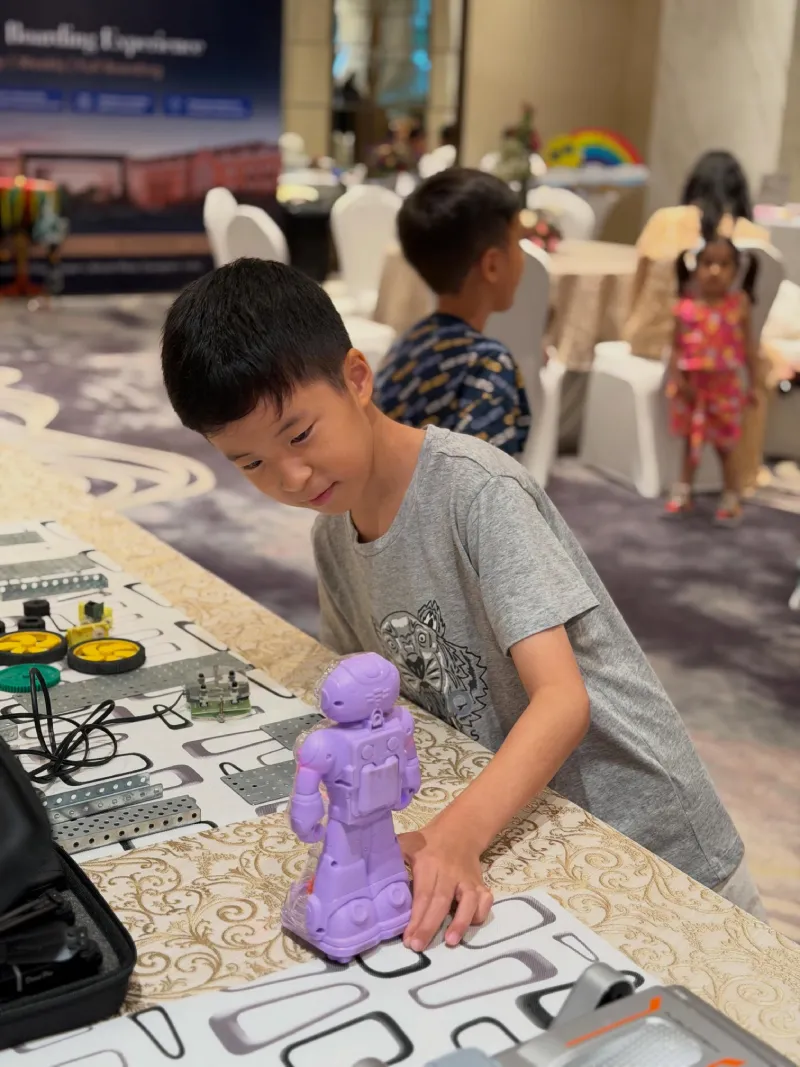
Research surrounding third culture kids benefits suggests that children who grow up across cultures often develop qualities such as adaptability, cultural empathy, and strong interpersonal skills.
Living abroad can help children:
- Develop a global mindset
- Build resilience and independence
- Form international friendships
- Improve communication skills
- Appreciate diverse perspectives
- Become more adaptable to unfamiliar situations
These experiences can shape not only their education but also their personal and professional lives for years to come.
While the transition may feel difficult at times, many families find that the long-term benefits far outweigh the initial challenges.
You're not alone: A note to expat parents
Every family's relocation journey is different.

There will be moments of excitement, uncertainty, achievement, and adjustment. Some days will feel easy, while others may feel more challenging. That is entirely normal.
What matters most is remembering that settling into a new country is a process, not a single event.
Children need time to adjust. Parents do too.
By building routines, seeking support, staying connected, and embracing new opportunities, families often discover that relocation becomes one of the most enriching experiences of their lives.
Most importantly, remember that you are not alone. Across India, countless families have navigated similar journeys and found new communities, friendships, and opportunities along the way.
Key Takeaways
- Moving to India with children is a significant transition, but it can also be an enriching family experience.
- Maintaining curriculum continuity helps reduce uncertainty and supports academic progress.
- Emotional wellbeing is just as important as academic adjustment during the first few months after relocation.
- Friendships, routines, and community connections play a key role in helping children feel at home.
- Expatriate life offers valuable opportunities for personal growth, cultural understanding, and global learning.
- Parents do not have to navigate the relocation journey alone; support networks and school communities can make a meaningful difference.
Share this article
Help others discover this content
Tags
FAQs
How long does it take for expatriate children to settle into a new school in India?
The expat child adjustment period varies from child to child. Some settle within a few weeks, while others may take several months. Consistent routines, supportive teachers, and opportunities to build friendships can help ease the transition.
How can I help my child make friends at an international school in India?
Encouraging participation in clubs, sports, and school activities can support expat children in India in making friends. Buddy programmes and group activities often help students form new school friendships that international communities naturally encourage.
How does expatriate life work once you have kids?
Many families prioritise school choice, community connections, and daily routines when relocating. For schools operating in Gurgaon, relocating families often provide support structures that help both children and parents settle into their new environment.
What is a third culture kid and how does it affect my child's schooling?
A “third culture kid” refers to a child who grows up between different cultures, and oftentimes within international school communities, a third culture is created that put the student and school community at a nexus between cultures. While this can create identity questions at times, many TCK international school students develop adaptability, cultural awareness, and resilience.
Will my child's British curriculum studies be affected by moving mid-year?
In many cases, transitions between British curricula can be managed successfully, particularly when continuity is maintained. Internationally recognised qualifications help support academic continuity for mobile families.
Are A-Level qualifications from an Indian British school recognised by UK universities?
Yes. Cambridge A-Level India qualifications are widely recognised for UK university entry and accepted by universities through their standard admissions processes, including UCAS (define?) applications.
How do expat parents build a social life and support network in India?
Many families develop an expatriate parent community in India network through schools, community groups, professional organisations, and local events. These connections often become an important source of support and friendship.
What should I look for when choosing an international school in India as an expatriate?
When choosing an international school in India expat families should consider curriculum continuity, student wellbeing, pastoral care, admissions flexibility, community culture, and opportunities for personal development alongside academic achievement.
You May Also Explore Our Other Blog Posts
Discover more insights and stories from Queen Elizabeth's School
 academic excellence
Why parents are shifting to British curriculum schools in 2026
Parents today are preparing children for a future shaped by global mobility, technological advancement, and evolving career opportunities. As a result, many families are reassessing what they want from a school and looking beyond traditional academic models.
Dr Craig Cook July 23, 2026
 student campus life
School House system explained: Building belonging and leadership in School
Ask a student what their house means to them and the answer is rarely about points or trophies.
More often, it is about friendship, identity, encouragement, and being part of a community.
Dr Craig Cook July 22, 2026 boarding school experience
Is a boarding school the right decision for busy working and travelling parents?
At Queen Elizabeth’s School, Gurugram, boarding education is shaped by a British educational tradition that values student wellbeing, independent learning, and balanced development within a safe and supervised residential setting.
Dr Craig Cook July 08, 2026