


- Student Campus Life
School House system explained: Building belonging and leadership in School
 Dr Craig Cook
 July 22, 2026
Share this article
Help others discover this content


Table of Contents
Key Takeaways
- A school house system creates smaller communities within a larger school environment.
- House systems support student wellbeing, belonging, and leadership development.
- Students benefit from cross-age friendships, mentoring opportunities, and peer support.
- Modern house systems extend beyond sport to include academics, arts, service, and leadership.
- QE House forms part of the QE Signature Programmes and is built around belonging, competition, leadership, and wellbeing.
Introduction
Ask a student what their house means to them and the answer is rarely about points or trophies.
More often, it is about friendship, identity, encouragement, and being part of a community.
Many parents associate the British school house system with sports days, colourful banners, and healthy competition. While these traditions remain important, modern house systems serve a much broader purpose. They help schools create smaller communities within larger campuses, ensuring every student feels connected, supported, and involved.
In an age where student wellbeing, belonging, and character development matter more than ever, the house system continues to play a vital role in shaping school culture.
What is a house system in Schools?
A house system is a structure that organises students into smaller groups or "houses" when they join the school.
Each house includes students from different year groups, backgrounds, and interests. Throughout their time at school, students participate in activities, events, and initiatives alongside fellow house members, creating connections that extend beyond their immediate class or year group.
Most houses are supported by staff mentors, House Captains, student leaders, and pastoral teams who help foster a sense of identity and community.
In many ways, a house system creates a smaller, more personal community within a larger school setting.
Why do British schools have houses?
The purpose of a house system goes far beyond competition.
Historically, British schools introduced houses to encourage community spirit, responsibility, and student participation. Today, those same principles remain highly relevant.
A well-designed British school house system helps students:
- Build friendships across age groups
- Develop leadership skills
- Strengthen their sense of belonging
- Participate in school life beyond academics
- Receiveadditionalpastoral support
- Contribute positively to the wider school community
For schools committed to holistic education and character development, the house system provides a powerful framework for achieving these goals.
The four pillars of an effective house system
Building a sense of belonging: The heart of the house system
At its core, the house system is about belonging.
Students may join a school as individuals, but they soon become part of something bigger than themselves.
This is particularly valuable in international and British curriculum schools where students may arrive from different educational backgrounds, cities, or countries. Joining a House gives students an immediate community and shared identity from their very first day.
Research consistently highlights the importance of belonging for school-age children. When students feel known, valued, and connected, they are more likely to participate confidently, build positive relationships, and engage fully in learning.
A strong sense of belonging in schools also contributes to student wellbeing, emotional security and long-term academic success.
For this reason, effective house systems help ensure that no student simply becomes another face in the crowd.
Beyond Sports Day: Modern house systems in British schools
One common misconception is that house systems exist solely for sporting competitions.
While inter-house sports remain an important tradition, modern house systems extend far beyond the playing field.
Today's inter-house competitions often include:
- Academic challenges
- Public speaking competitions
- Debating events
- Entrepreneurship projects
- Music and performing arts
- STEM activities
- Community service initiatives
- Charity fundraising campaigns
These opportunities encourage students to contribute in different ways and ensure that success is not defined by sporting ability alone.
Healthy competition in education can be highly motivating when it celebrates participation, effort, improvement, and teamwork rather than simply rewarding winners.
Students learn how to work collaboratively, support peers, and develop resilience through both success and setback.
Leadership development: From student to role model
One of the most valuable aspects of a strong house system is its role in developing student leadership.
Leadership opportunities are not reserved solely for naturally outgoing students. Instead, the house structure creates pathways for students to grow into leadership roles over time.
Common positions may include:
- House Captain
- Vice Captain
- Prefect
- Peer Mentor
- Event Organiser
- Student Representative
These responsibilities help students develop communication skills, confidence, empathy, and decision-making abilities.
Older students frequently support younger pupils through mentoring relationships, helping them settle into school life and navigate challenges.
This creates a culture where leadership is understood as service, responsibility, and positive influence rather than status alone.
Wellbeing, pastoral care, and student voice

The most effective house systems are deeply connected to pastoral care in schools.
Beyond competitions and events, houses provide opportunities for regular check-ins, mentoring conversations, and wellbeing support.
For many students, their House becomes a trusted network where they feel comfortable sharing concerns, celebrating achievements, and seeking guidance.
House systems also help schools recognise accomplishments that may not always appear on report cards.
Kindness, resilience, creativity, service, and personal growth can all be celebrated and acknowledged.
By strengthening student voice and encouraging meaningful participation, house systems support emotional development while contributing to a positive and inclusive school culture.
QE House: Bringing the British house system to life
At Queen Elizabeth's School, Gurugram, the principles of the British school house system are brought to life through QE House, one of the school's four Signature Programmes.
QE House has been designed to create a vibrant, inclusive environment in which every student feels seen, valued and connected.
From the moment students join the school, they become part of a House community that supports their growth, participation, and sense of belonging.

Every student belongs from day one
QE House ensures that every student immediately becomes part of a smaller community within the wider school.
This approach helps students understand, connect with and take pride in their House identity while developing meaningful relationships across year groups.
The result is a vertical learning community where students learn alongside peers of different ages, experiences, and perspectives.
Belonging, competition, leadership and wellbeing
The QE House Programme is built around four interconnected pillars:
- Belonging
- Competition
- Leadership
- Wellbeing
These pillars guide the design of house activities, student opportunities, and community experiences throughout the year.
Together, they help students build confidence, resilience, and a strong sense of connection.
Student leadership through QE House
Leadership is embedded throughout QE House.
Students have opportunities to take responsibility, organise initiatives, mentor younger peers, and contribute actively to House life.
Whether serving as a House Captain, leading an event or supporting fellow students, learners develop practical leadership skills grounded in the values of Excellence, Curiosity, Integrity, Community, Ambition, and Responsibility.
More than competitions
QE House encourages participation across a wide range of activities, including sports, debating, performing arts, STEM challenges, service projects, and community initiatives.
This ensures students can contribute in ways that reflect their strengths, interests, and passions.
Success is measured not only by achievement but also by effort, collaboration, integrity, and personal growth.
Part of the wider QE Signature programmes
QE House works alongside:
- QE Flourish, supporting wellbeing and personal development
- QE Future, preparing students for university, careers and life beyond school
- QE Connect, strengthening community engagement and relationships
Together, these programmes create a holistic educational experience that extends beyond academics.
Why House systems matter more than ever
Academic knowledge remains important, but success today depends on much more than examination results. Students need to collaborate, communicate, solve problems, and respond confidently to change.

These skills cannot be developed solely through classroom instruction.
House systems provide authentic opportunities for students to practise these capabilities through everyday school life. Whether participating in a competition, leading a project, mentoring a younger student, or contributing to a community initiative, students learn lessons that remain valuable long after they leave school.
In this sense, the house system is not simply a British tradition. It is a modern educational tool that helps prepare students for the future.
Conclusion: A school community that shapes who you become
A student may join school feeling uncertain, knowing few people and unsure of where they belong.
Over time, through friendships, participation, leadership opportunities, and shared experiences, that same student can grow into a confident young person who contributes positively to their community.
This is the lasting value of the school house system.
It is not a tradition maintained for tradition's sake. It is a purposeful framework that helps students develop character, confidence, belonging, and leadership.
Whether in the classroom, on the sports field or in future careers, the lessons learned through the house system continue to benefit students long after they leave school.
The strongest school communities do more than educate students. They help shape who students become.
Key Takeaways
- A school house system creates smaller communities within a larger school environment.
- House systems support student wellbeing, belonging, and leadership development.
- Students benefit from cross-age friendships, mentoring opportunities, and peer support.
- Modern house systems extend beyond sport to include academics, arts, service, and leadership.
- QE House forms part of the QE Signature Programmes and is built around belonging, competition, leadership, and wellbeing.
Share this article
Help others discover this content
Tags
FAQs
What is a house system in a British school?
A British school house system organises students into smaller communities called Houses. These groups support student engagement, pastoral care, inter-house activities, character development, and a stronger sense of belonging throughout school life.
Does the house system help British schools develop better leadership skills?
A strong student leadership programme provides opportunities for leadership development through roles such as House Captain, peer mentor, and student representative. These experiences help students build confidence, teamwork, and communication skills.
Why do schools have house systems?
Schools use house systems to strengthen school values, encourage student participation, build school spirit, and create a positive school culture centred on belonging, wellbeing, and personal development.
What are the benefits of a house system in school?
Benefits of house system structures include holistic student development, leadership skill development, peer learning, wellbeing support, teamwork, school engagement, and opportunities for character building.
How does the house system help student wellbeing?
House systems support student wellbeing by creating trusted communities, providing pastoral support, encouraging positive relationships, and helping students feel emotionally safe and connected.
What is the role of a House Captain in school?
House Captain responsibilities often include organising events, representing students, mentoring younger pupils, promoting teamwork, and serving as a positive role model within the House community.
How does the British school house system create a sense of belonging?
Through mixed-age grouping, peer support, mentoring, and shared experiences, the British school house system creates smaller communities where students feel known, valued, and connected.
How do inter-house competitions benefit students?
Inter-house competitions encourage healthy competition, teamwork, leadership, resilience, and participation across academics, sports, arts, and community activities.
How is the British school house system different from Indian and American schools?
The British school house system typically places greater emphasis on pastoral care, mixed-age communities, student leadership, mentoring, and long-term community building across the entire school experience.
Does the house system improve student behaviour and reduce bullying?
A strong house system can contribute to positive behaviour by fostering belonging, peer support, student engagement, and stronger relationships between students and staff. When students feel connected and valued, they are more likely to contribute positively to the school community.
You May Also Explore Our Other Blog Posts
Discover more insights and stories from Queen Elizabeth's School
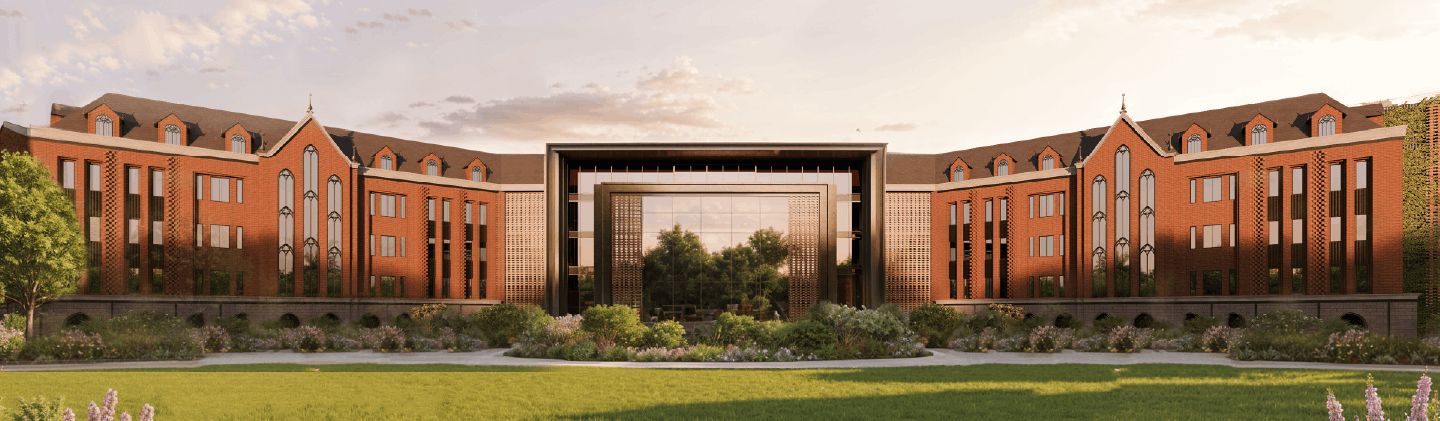 boarding school experience
Is a boarding school the right decision for busy working and travelling parents?
At Queen Elizabeth’s School, Gurugram, boarding education is shaped by a British educational tradition that values student wellbeing, independent learning, and balanced development within a safe and supervised residential setting.
Dr Craig Cook July 08, 2026
 academic excellence
What makes Cambridge International Curriculum world renowned?
At Queen Elizabeth’s School, Gurugram, the Cambridge International Curriculum is delivered within a British educational tradition focused on subject depth, steady progress and thoughtful teaching.
Dr Craig Cook June 01, 2026 global citizenship education
Global citizenship in the Cambridge curriculum classroom: our commitment
At Queen Elizabeth’s School, Gurugram, global citizenship is embedded within the Cambridge International Curriculum, encouraging students to develop intellectual confidence, cultural awareness and a thoughtful understanding of the world around them.
Dr Craig Cook May 27, 2026